This Small-batch Oreo Frosting, made with cream cheese and crushed Oreo, is the cookies and cream frosting of your dreams.
I have something small and sweet for you today: small-batch Oreo frosting!
This frosting is fabulous over chocolate cupcakes, pillowed between sugar cookies , or if you want to go really wild, serve alongside a plate of Oreos and use as a dip!
It’s going to be a good time no matter how you choose to enjoy it.
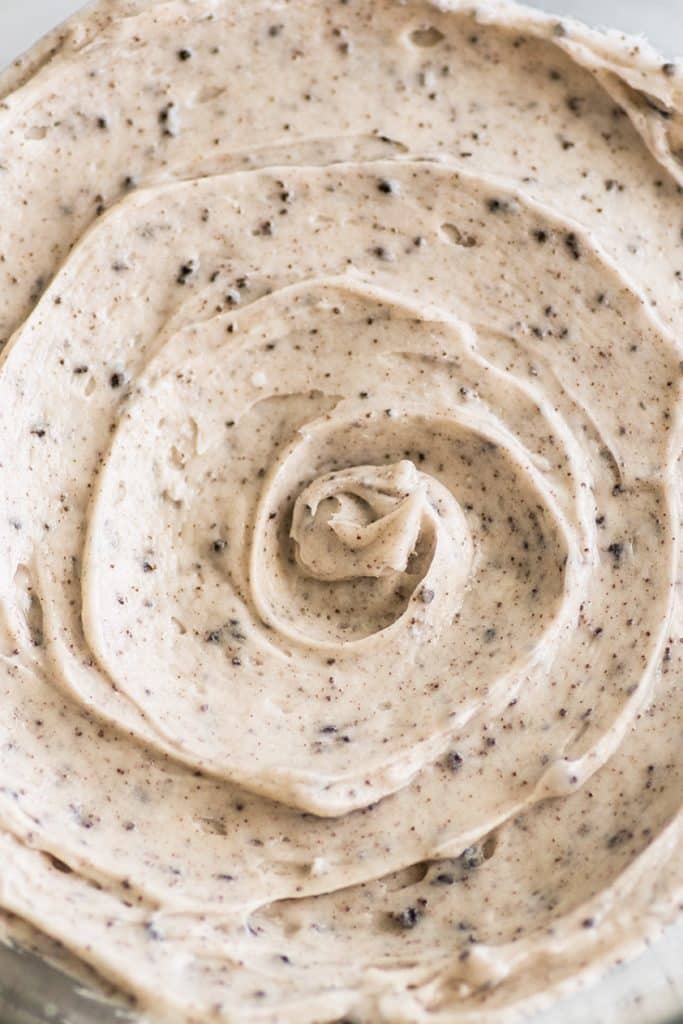

This frosting uses both cream cheese and softened butter as a base alongside powdered sugar and a crushed Oreo. The cream cheese doesn’t give the frosting a strong cream cheese flavor, it just helps to mimic the taste of the creamy center of an Oreo.
Ingredient Notes
- Cream cheese: If you don’t have cream cheese on hand, you can use all butter (just replace the cream cheese with an additional 2 tablespoons of butter), but I really love the creamy, tangy boost that it gives the recipe, so if you can use cream cheese, do!
- Room temperature butter: Make sure you’re starting with room-temperature butter (and cream cheese) or you’ll struggle to get a smooth and creamy frosting. You’ll know your butter is at the right temperature when you can smoosh an indentation into it with your finger, but the butter around it should still hold its shape.
How to Make Oreo Frosting
- Scrape the center out of an Oreo and crush the cookie in a small plastic bag.
- In a medium bowl, combine butter and cream cheese and beat until smooth.
- Add powdered sugar, crushed cookie, salt, and milk and beat until fluffy, adding more milk if necessary.
- Frost something delicious and enjoy!!
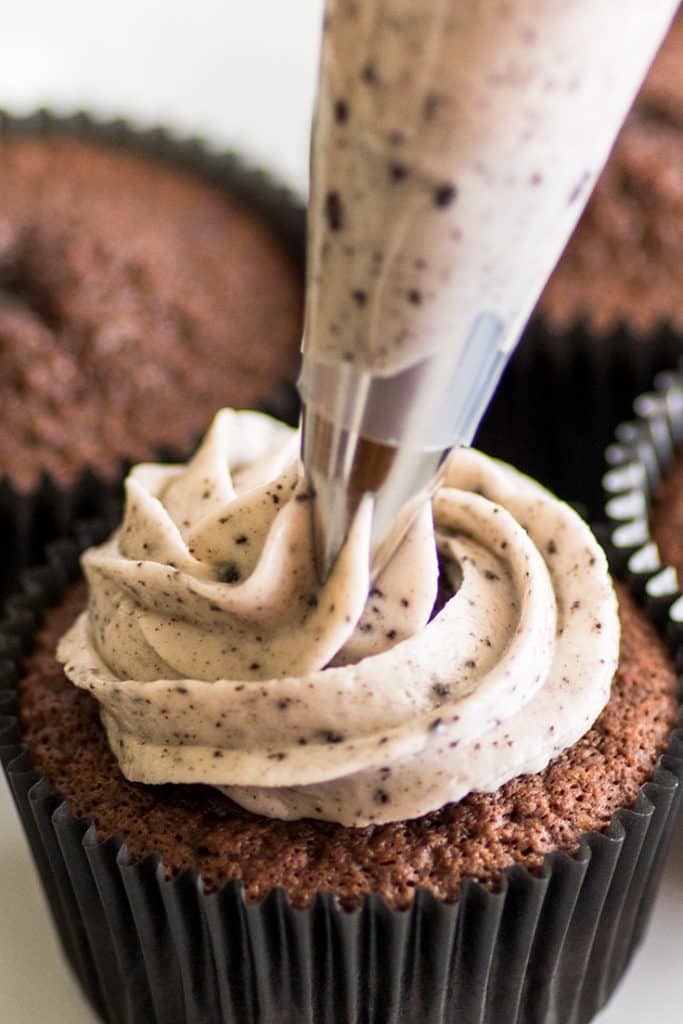

Where to Use Cookies and Cream Frosting
- Small-batch Chocolate Cupcakes
- Small-batch Vanilla Cupcakes
- Small-batch Cut-out Sugar Cookies
- Small-batch Fluffy Sugar Cookies
- Small Chocolate Cake (Triple the frosting recipe)
How much frosting will this make?
This recipe will make between ¾ and 1 cup of frosting, depending on how much air you beat into it. That’s enough for about:
- 4 to 6 cupcakes with a piping bag
- 8 cookies or cupcakes with a knife
- 1 single-layer 6-inch or 7×5-inch cake or brownies (top and sides)
- 1 8-inch cake (a thin layer over top only) – This is for people who don’t LOVE frosting. Double the frosting if you’re a big fan.
Can I double this recipe?
Yes! You can scale up this recipe with no preparation changes needed. To change the recipe yield, hover over the serving size in the recipe card below or click if you’re on mobile, and slide the slider.
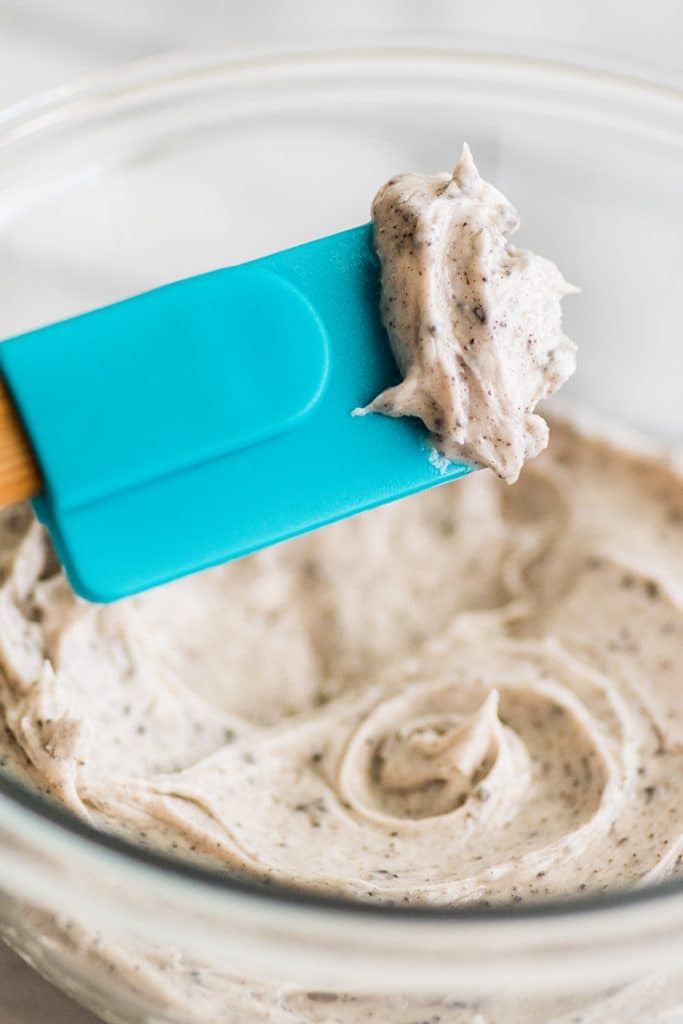

Can I freeze Oreo frosting?
Yes. American buttercreams like this one freeze really well. Store in a freezer bag in the freezer for up to 2 months. When you’re ready to use it, allow it to defrost in the fridge and then set it out on the counter until it comes up to room temperature for easy spreading.
More Small-batch Frosting Recipes
- Vanilla Frosting
- Chocolate Frosting
- Cream Cheese Frosting
- Cookie Dough Frosting
- Strawberry Frosting
- Chocolate Cream Cheese Frosting
More Oreo Recipes
- Small-batch Oreo Cupcakes
- Oreo Cheesecake Bites
- Oreo Milkshake
- No-churn Peanut Butter Oreo Ice Cream
- Small-batch Chocolate Cookies With Oreos and Andes
Equipment
- Piping bag
- Piping tips*
Ingredients
- ▢ 1 Oreo
- ▢ 2 tablespoons ( 1oz ) unsalted butter softened*
- ▢ 1 ounce cream cheese softened
- ▢ 1 cup ( 120g ) powdered sugar
- ▢ Pinch of salt
- ▢ 1 teaspoon to 1 tablespoon milk or cream
Instructions
- Separate Oreo and discard (or eat) filling. Place cookie halves in a small plastic bag and crush into a fine crumb with a rolling pin or the bottom of a heavy glass. Set crumbs aside.
- In a medium bowl combine softened butter and cream cheese. Beat until smooth.
- Add powdered sugar, cookie crumbs, salt, and 1 teaspoon of milk or cream. Beat until sugar is completely incorporated and frosting is fluffy. Add up to 2 teaspoons more of milk or cream if necessary until frosting reaches your desired consistency.
- Frost something delicious and enjoy!
Notes
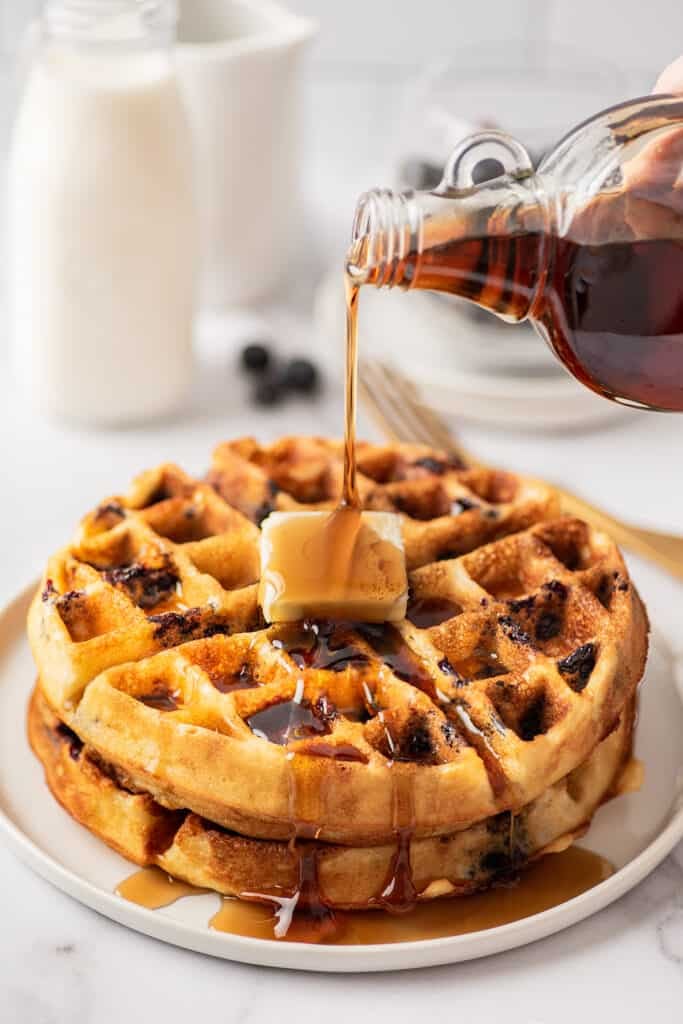
This recipe will make some of the best blueberry waffles you’ll ever eat with crispy golden outsides and soft and fluffy insides studded with fresh blueberries. Drizzle with melted butter and real maple syrup, and you’re in for a good time.
Hey friend, searching for a breakfast worth getting out of bed for? These blueberry waffles are just the thing you need. Sit down in front of a stack of these, and from your first crispy, perfect bite, you’ll be so glad you got up to greet the world (or at least this plate of waffles.)

Why These Waffles Work
- They start with a good waffle recipe: The base recipe for these is my favorite waffle recipe in the entire world. You can add pretty much anything you want to it, and you’re going to end up with some real good waffles.
- Perfectly crispy by design: This recipe uses quite a bit of oil in the batter along with cornstarch. This produces waffles that are incredibly crispy on the outside while still being soft and fluffy on the inside.
- Just the right amount of fresh blueberries: You’ll need 2/3 cup of fruit, which is enough blueberries to ensure plenty of blueberry flavor, without overdoing it and making the waffles soggy.
Ingredient Notes
- Cornstarch: As mentioned above, this recipe uses cornstarch. I HIGHLY recommend using it here because it’s a huge part of what makes the waffles crispy, but if you don’t have any, you can replace it with the same amount of all-purpose flour. Buttermilk: I like to use real buttermilk when I have it, but you can make a buttermilk substitute with milk and lemon juice or vinegar and it works just fine. (There are more detailed instructions for making it in the recipe card below.) If you do have real buttermilk, this recipe won’t use up an entire carton. Check out my post What to Do With Leftover Buttermilk for storage tips and ideas for using up the leftovers (I recommend a batch of buttermilk cornbread muffins ).
How to Make Blueberry Waffles From Scratch
This is a quick overview of the recipe process with extra tips and tricks. For the full printable recipe, scroll down to the recipe card below.
- In a medium-to-large bowl, mix the dry ingredients.
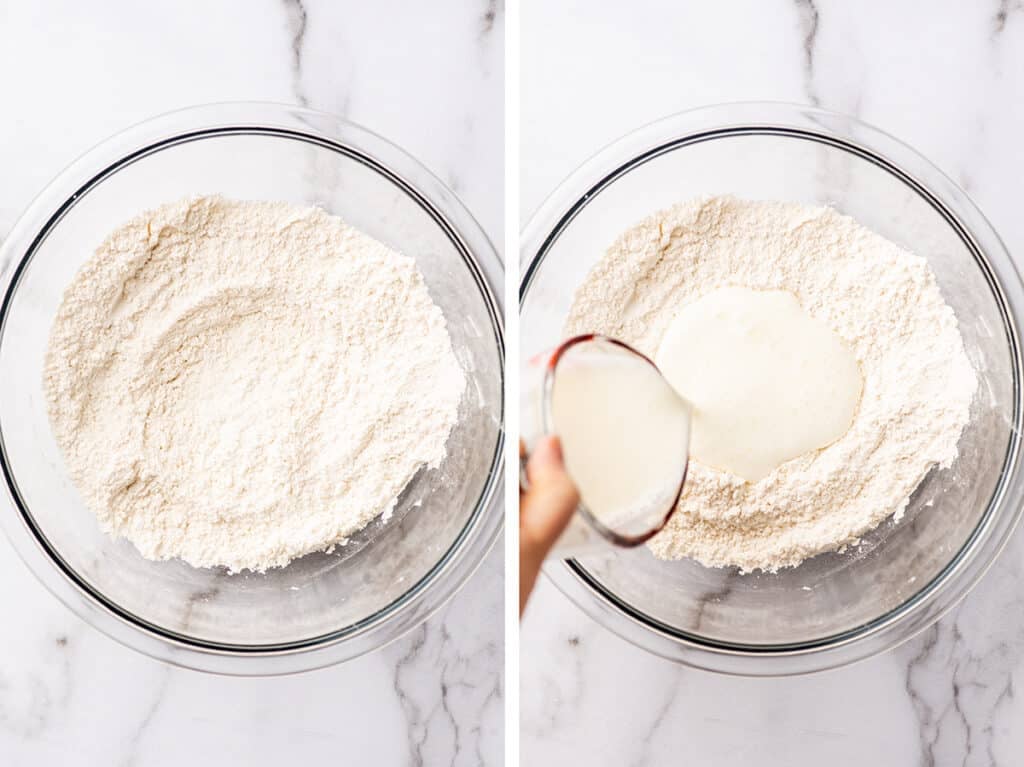

- Make a well in the center of your dry ingredients and add the wet ingredients. Mix until the batter is just combined. You shouldn’t see any dry flour in your bowl, but a few lumps are normal and expected.
A Note on Ratios: This recipe has a high ratio of liquid to dry ingredients. This tends to freak people out (it does for me too when I haven’t made these in a while), but I promise, the recipe is correct. The batter will thicken slightly as it rests and your waffles will cook up just fine.
- Rest your batter. Resting the batter allows the gluten to relax and for it to absorb some of the liquid and thicken slightly. Don’t skip this step. If you’re serving your waffles with fruit or eggs and bacon, this is a perfect time to start prepping the rest of your breakfast.
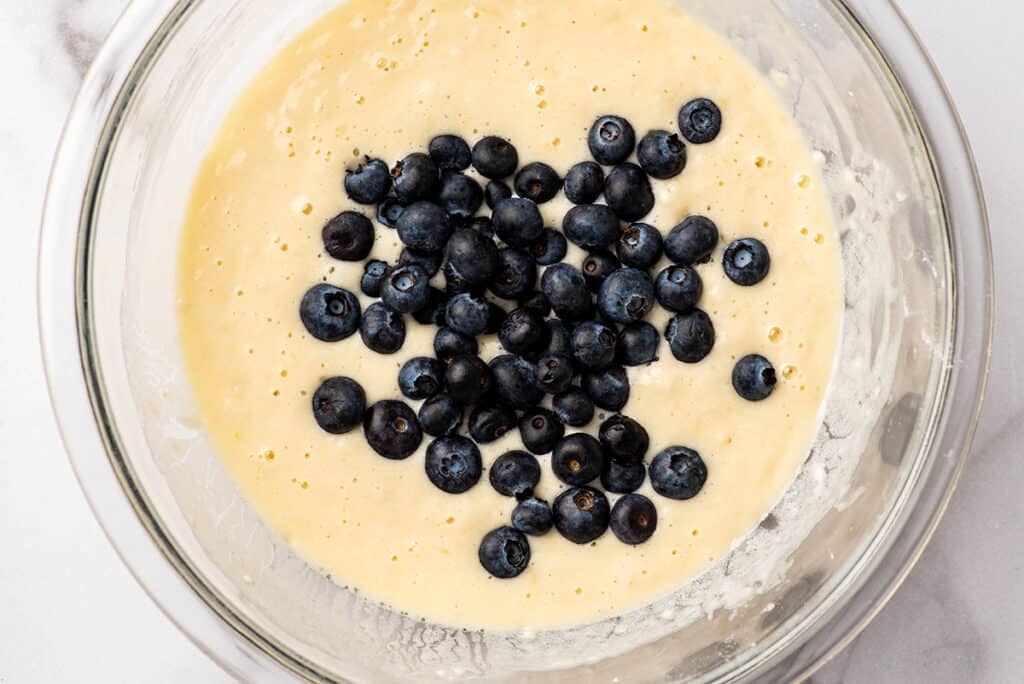

- Fold in the blueberries and cook the waffles in a preheated waffle iron according to iron instructions. All waffle irons are a little different, so follow the instructions for your particular machine. For mine, it takes 1 cup of batter and cooks in about 2 ½ to 3 minutes per side.
Waffle Cooking Tip: For any waffle iron, make sure it’s properly preheated before adding your batter, and ladle the batter on slowly, filling holes where more batter is needed. For the prettiest waffles, give the batter just a bit to set (about 10 seconds) before closing the lid. This will help prevent batter from squeezing out the sides when you close the lid.
Transfer cooked waffles to an oven-safe cooling rack (if you have one) placed over a baking sheet in your warm oven while you cook all the batter. The cooling rack will allow air to circulate under the waffles keeping the bottoms crispy while they sit. The steam from just-cooked waffles sitting for too long directly on a surface can make the bottoms soggy.
Top with toppings and enjoy!!

Blueberry Waffle Toppings
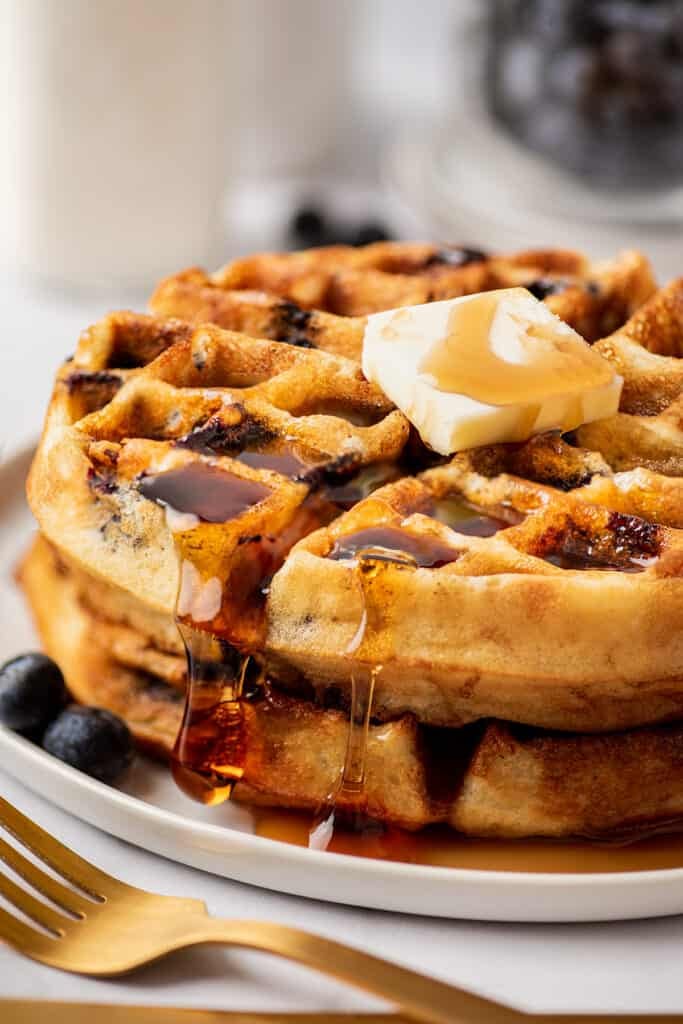
Top your waffles with melted butter (I know we food bloggers always show waffles with a pat of butter so you can actually see it in photos, but trust me, melted butter is the superior waffle topping) and syrup.
Or try more fresh blueberries, a blueberry syrup and whipped cream .
Waffle Variations
- Strawberry waffles: Replace the blueberries with the same amount of chopped fresh strawberries.
- Lemon blueberry waffles: Add the zest from half a lemon to the batter when you add the blueberries.
- Chocolate chip waffles : Add 1/2 cup of chocolate chips to the batter instead of blueberries. (These are SO decadent and good!!)
How many waffles/how much batter does this make?
This recipe makes slightly more than 2 cups of batter. That will make between 2 and 4 waffles depending on the capacity of your waffle maker.
It will generously serve 2, but for kids or smaller eaters or when serving with a full breakfast spread, you can stretch it to serve 3 or 4.
Can I double this recipe?
Absolutely. You can scale up the recipe with no preparation changes needed. To change the recipe yield, hover over the serving size in the recipe card below or click if you’re on mobile, and slide the slider.
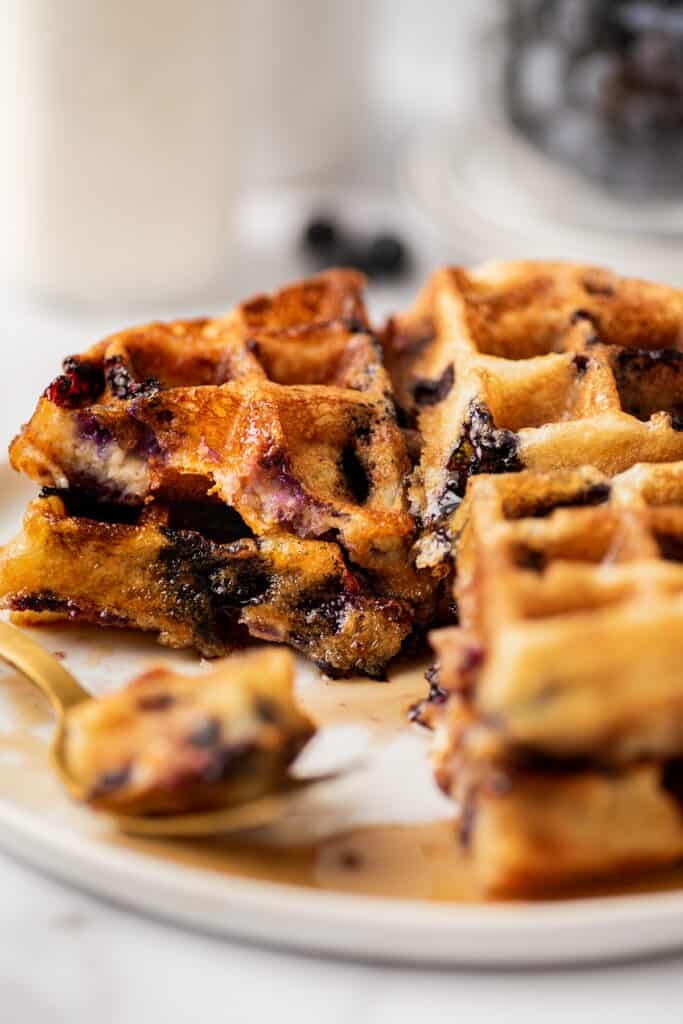

Can you freeze waffles?
Yes!! I love having waffles in the freezer for a quick easy meal. Sometimes I double the recipe just so I’ll have extra leftovers.
To freeze waffles: Store them in an airtight container or freezer bag for up to 2 months. To eat, place frozen waffles on a baking sheet and bake in a 350°F oven for about 10 minutes or until heated through.
I want to make these but I don’t have a waffle maker.
You need a waffle maker to make waffles. If you’re in the market for one, this is the one I own . It’s very no-frills, but it makes wonderful waffles, and I love the fact that you can store it vertically so it takes up very little cupboard space.
More Breakfast Recipes
- Homemade Mocha
- Banana Pancakes for Two
- The Best Cinnamon Toast
- Cinnamon Rolls for Two
Or check out the entire Baking Mischief Breakfast Recipe Archive

Ingredients
- ▢ ¾ cup ( 90 g) all-purpose flour
- ▢ ¼ cup ( 30g ) cornstarch *
- ▢ 1 tablespoon ( 12g ) granulated sugar
- ▢ ½ teaspoon baking powder
- ▢ ¼ teaspoon baking soda
- ▢ ½ teaspoon salt
- ▢ 1 cup buttermilk *
- ▢ ⅓ cup vegetable oil
- ▢ 1 large egg
- ▢ ¾ teaspoon vanilla extract
- ▢ ⅔ cup blueberries washed and dried
- ▢ Melted butter optional for serving
- ▢ Syrup optional for serving
Instructions
- In a large bowl, whisk together flour, cornstarch, sugar, baking powder, baking soda, and salt.
- Make a shallow well in the dry ingredients and add buttermilk, vegetable oil, egg, and vanilla. Stir together until just combined.
- Allow batter to rest for 30 minutes.
- Preheat oven to 200°F or set it to the warm setting and set a baking sheet (with an oven-safe cooling rack if you have one) inside.*
- After the batter has rested, gently fold in the blueberries.
- Preheat waffle iron and cook batter according to your iron’s instructions*, typically 4 to 6 minutes per waffle, until waffle is nicely golden and has mostly stopped releasing steam.
- Transfer waffle to your warm oven while you cook the rest of the batter.*
- Top with melted butter and syrup if desired, and enjoy!
Notes
This is a quick tutorial on how to cook chicken breasts when you get a recipe that calls for “cooked chicken.” It’s simple, easy, and mostly hands-off, so you can do the rest of your recipe prep while the chicken cooks. You end up with juicy, tender chicken breasts that are perfect to cube and mix into pasta, soups, and other recipes or just enjoy for a light, healthy lunch.
Question! What do you do when you make a recipe and the ingredient list calls for “cooked chicken?”
Do you throw a chicken breast in the oven for half an hour and hope for the best? Run out and buy a rotisserie chicken? Pick a different recipe because come on, why doesn’t it say how to cook the chicken–half the recipe is missing?
Yes? Yes? or Yes? Friend, today’s recipe is for you.
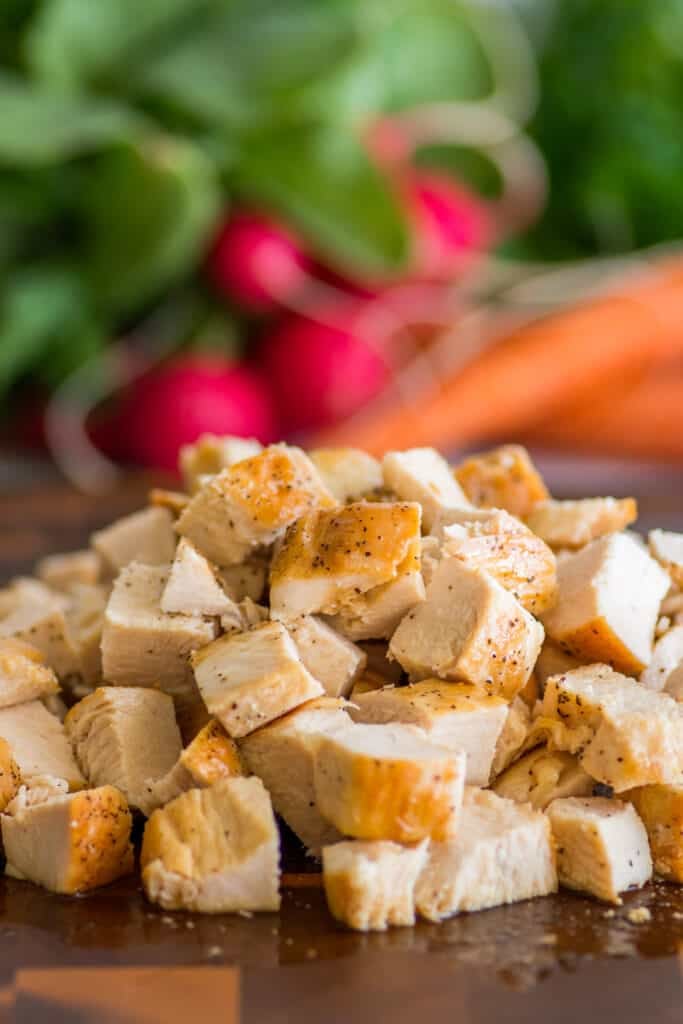

The Best Way to Cook Chicken Breasts
This is the BEST way to cook chicken breast when you come across a recipe that calls for “cooked chicken.” It tastes a hundred times better than oven-cooked chicken breast, you don’t need to make a trip to the grocery store, and it’s so easy that after you’ve made it once, you’ll never need a recipe for cooked chicken ever again.
This method, which is a mix of pan frying and something similar to poaching, produces chicken that is moist, tender, and super flavorful.
Best of all, the chicken can go from fridge to stove with almost no prep and needs no babysitting. Once you get it cooking, you can walk away and do the rest of your recipe prep. It’s the best.
Ingredients and Tools
- A skillet with a lid: You’ll need a skillet with a lid for this recipe since once the chicken is browned it cooks covered to trap the heat and steam of the simmering liquid for quicker, more even cooking. If you don’t own a skillet with a lid, or you’re planning on making soup and don’t want to get two dishes dirty, you can cook your chicken in a large pot with a lid.
- Instant-read thermometer : An instant-read thermometer takes all the guesswork out of cooking meat so you can pull your chicken from the stove at exactly the right moment. You can cook chicken without one, but if you cook meat regularly, go buy a thermometer. It will change your life!
- Boneless skinless chicken breasts: Chicken breast size varies wildly, so don’t be alarmed if your chicken is taking longer to cook than expected. There are some huge chicken breasts out there these days, and they will take significantly longer to cook than a 6-ounce breast. Just keep adding water if it all simmers away and trust your thermometer!
- Seasonings: Unless the recipe calls for additional seasonings, I typically just salt and pepper the chicken, but you can get creative with the spices to add extra flavor. Italian seasoning and taco seasoning are both excellent options.
How to Cook Chicken Breasts for Recipes
- Salt and pepper both sides of your chicken breasts and heat your skillet over medium-high heat. Once hot, lightly grease with cooking spray or a drizzle of oil. Place chicken breasts in the pan and cook until the first side is nicely browned, 3 to 4 minutes.
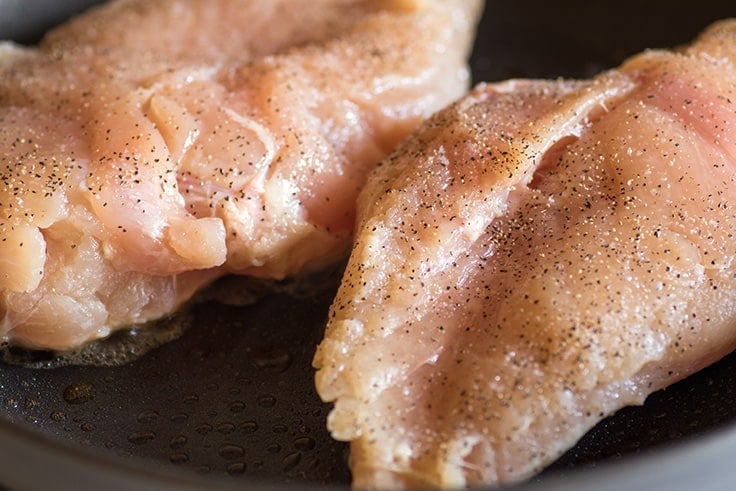

- Flip chicken breasts and brown second side, 2 to 3 minutes. Once both sides are browned, add about 1/2-inch of water to the pan. Turn heat down to medium, cover and cook for 5 to 8 minutes (longer with larger breasts). Walk away and do your prep work for the rest of your recipe, checking every once in a while and adding more water if it all evaporates.
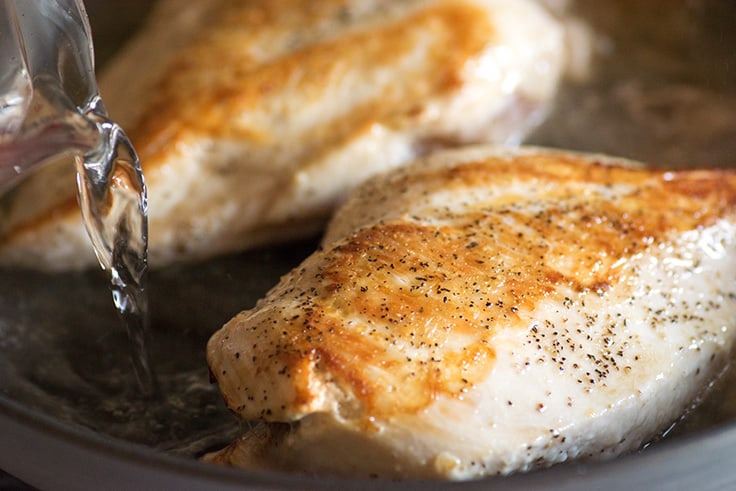

- The chicken is done when an instant-read thermometer inserted into the thickest part of the breast reads 165°F.


- Remove breasts from heat and allow to rest for 5 minutes before cutting as recipe calls for. Enjoy!
Now tell me that wasn’t the easiest thing ever!
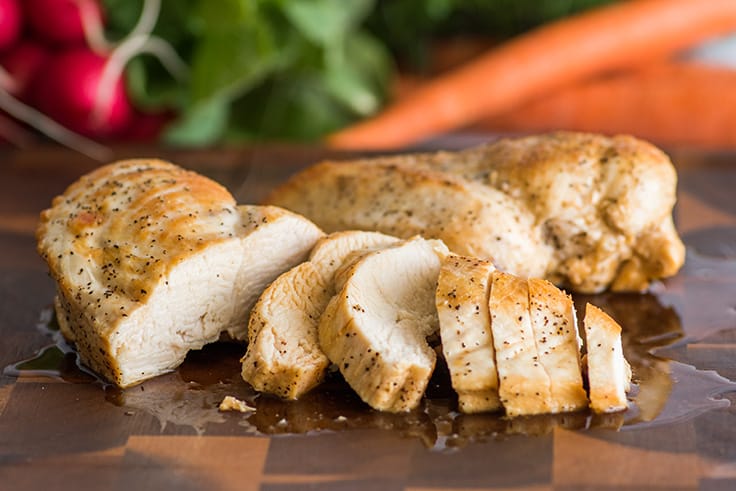

Making Shredded Chicken for Recipes
If your recipe calls for shredded chicken, this cooking method works great. Just let your chicken breast rest a little longer after cooking, about 10 minutes and then use two forks to pull the chicken apart.
For more shredding methods and extra tips and tricks, go check out my post How to Make Shredded Chicken .
Recipes Using Cooked Chicken
Not sure what to make with your cooked chicken? Here are a few of my favorites:
- BBQ Chicken Pizza
- Chicken Parm Soup
- Creamy Chicken and Broccoli Orzo
- Creamy Chicken Tortellini Soup
How Many Chicken Breasts Equals a Cup?
Recipes usually call for cooked chicken measured by volume, and that can be tricky to estimate when you’re holding a package of raw chicken measured by weight.
Chicken breast sizes vary a ton, but a good rule of thumb is that you can expect to get a little over 2 cups of cooked meat from 1 pound of raw chicken. Medium-sized raw chicken breasts usually weigh about 8 ounces so:
For 1 cup cooked meat, cook 1 medium chicken breast.
Unless you are trying to accurately estimate calories (in which case, you should be using a scale , not volume), being a little over or under on chicken is not going to hurt your recipe, so don’t stress too much about it.
Can I cook chicken this way and freeze it?
Yes. Once your chicken is fully cooked and cooled, you can either freeze it whole or cut into pieces in a freezer bag. Be sure to squeeze as much air as possible out of the bag before freezing to reduce the chance of freezer burn. Cooked chicken can be stored in the freezer for up to 3 months.
How many chicken breasts can I cook at once using this method?
You can cook as few or as many chicken breasts as you’d like as long as the chicken fits in a single layer in the pan without being crowded. It’s okay if some edges touch, since the chicken will shrink as it cooks, but you don’t want a solid layer of chicken with no space in between. You won’t get good browning or even cooking.
Chicken Breast Recipe Tips
- There will typically be some liquid left at the bottom of the pan after your chicken is cooked. This liquid is full of flavor, so if making soup, add it to the broth for a flavor boost. And if making the chicken in advance, you can pour it back over the chopped breasts to help keep them moist.
More Chicken Tutorials
- How to Co ok Perfect Chicken Breasts for Salads and Sandwiches
- Roasted Chicken Guide
- How to Cook Chicken Shredded Chicken
- How to Make Chicken Stock
- How to Make Soup from a Chicken Carcass
Equipment
- Skillet with a lid
- Instant-read thermometer
Ingredients
- ▢ Boneless skinless chicken breasts
- ▢ Salt
- ▢ Pepper
- ▢ Water
Instructions
- Salt and pepper both sides of your chicken breasts.
- Heat skillet over medium-high heat. Once hot, lightly grease with cooking spray or a drizzle of oil. Place chicken breasts in the pan and cook until the first side is nicely browned, 3 to 4 minutes.
- Flip chicken breasts and brown second side, 2 to 3 minutes. Once both sides are browned, add about 1/2-inch of water to the pan. Turn heat down to medium, cover and cook for 5 to 8 minutes (longer with larger breasts), adding more water if it all evaporates, until an instant-read thermometer inserted into the thickest part of the breast reads 165°F.
- Remove breasts from heat and allow to rest for 5 minutes before cutting as recipe calls for. Enjoy!
Notes

Small-batch Oreo Frosting
Equipment
- Piping bag
- Piping tips*
Ingredients
- 1 Oreo
- 2 tablespoons ( 1oz ) unsalted butter softened*
- 1 ounce cream cheese softened
- 1 cup ( 120g ) powdered sugar
- Pinch of salt
- 1 teaspoon to 1 tablespoon milk or cream
Instructions
- Separate Oreo and discard (or eat) filling. Place cookie halves in a small plastic bag and crush into a fine crumb with a rolling pin or the bottom of a heavy glass. Set crumbs aside.
- In a medium bowl combine softened butter and cream cheese. Beat until smooth.
- Add powdered sugar, cookie crumbs, salt, and 1 teaspoon of milk or cream. Beat until sugar is completely incorporated and frosting is fluffy. Add up to 2 teaspoons more of milk or cream if necessary until frosting reaches your desired consistency.
- Frost something delicious and enjoy!
